The Gospel in Central Karen State: A Ranger Chaplain's Journey to Doo Tha Htoo District

In late January of this year, an FBR relief team traveled to Doo Tha Htoo District, a region of Karen State where Rangers have rarely operated, to assist displaced communities. This mission was followed by a second mission to the area in February, when Rangers responded to the displacement of more than 3,000 civilians in Kyaitko Township. The following is a personal reflection from a Ranger chaplain on that first mission to encourage, aid, and spiritually minister to the people of Doo Tha Htoo District.
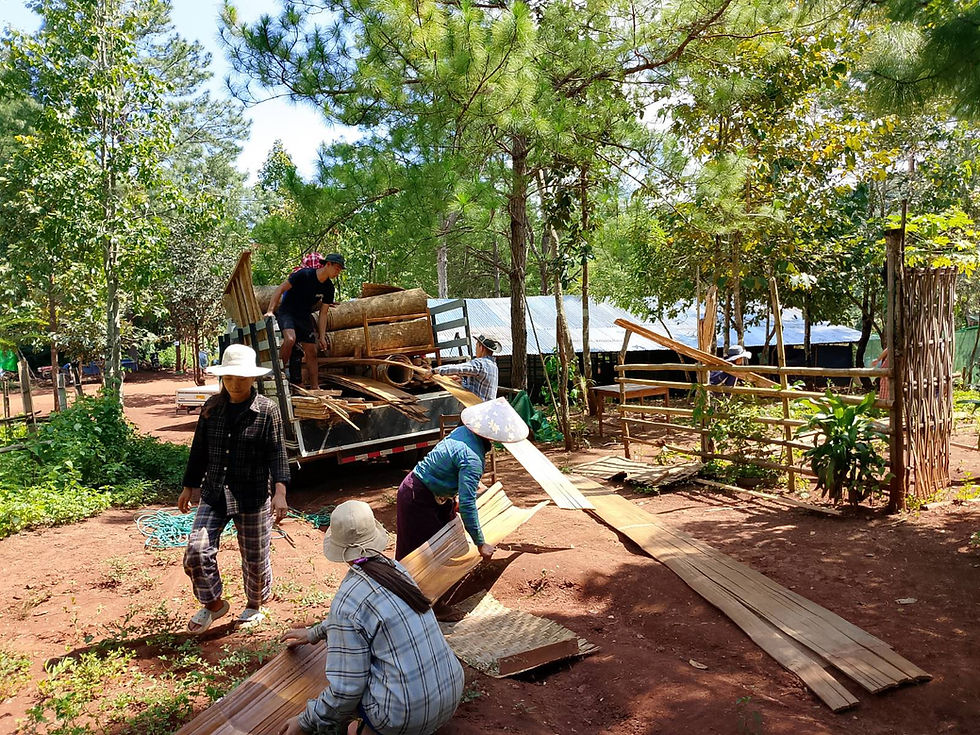
A Ranger mission is a journey, and it begins long before the first program or clinic. In our case, our team of over fifty Rangers bounced along in the back of pickup trucks down the narrow, dusty roads that wind from the mountains of Mutraw District into the rolling pastoral lands of Doo Tha Htoo District. Here, beautiful villages are scattered near rivers and beneath the occasional jagged peak, where the sound of aircraft has become a part of daily life. In this remote region of Karen State, civilians continue to live between their homes and the jungle, rebuilding their communities as airstrikes and mortar attacks remain routine. In this environment, Free Burma Rangers teams moved from village to village, bringing medical support, humanitarian relief, and a gospel message to an area with little outside assistance or support.

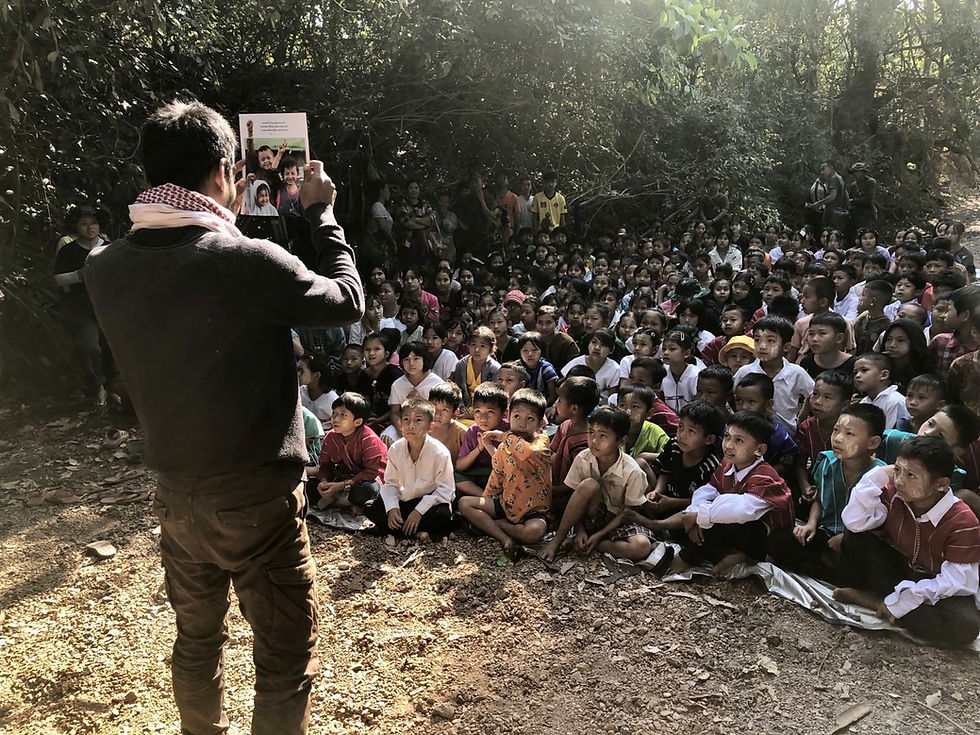
As the mission unfolded, we encountered stories of loss and resilience. Good Life Club programs, organized by Rangers, were gathering points for communities. Children came by the hundreds down forest paths, and village elders watched the program from the shade of the bamboo groves that hid our activity from the air. Laughter during games would give way to stillness as the gospel was shared by Ranger chaplains. Many attendees were Buddhist, yet listened with openness and respect, asking questions afterward and accepting audio Bibles to continue learning in their own time.
Behind the joy of the gatherings were sober realities. In every village, widows raising children alone after their husbands were killed in fighting spoke quietly about the loss that left them vulnerable and alone. In several villages, families continued living in bunkers after bombing destroyed their homes and possessions. One mother, wounded in an airstrike that killed two of her children, asked simply what it meant to pray. Moments like these revealed both the depth of suffering and the openness to hope that follows. We watched Rangers meet each displaced person in their struggle with compassion and practical help.
Meetings with medical professionals provided unique opportunities to encourage wounded soldiers. At a rural clinic, wounded fighters recovering from recent battles held hands with us as Rangers prayed for them. Several soldiers, coming from Muslim backgrounds, were deeply curious about the faith that motivated strangers to serve them without expectation. Throughout our interactions, care crossed ethnic and religious lines, grounded in practical help and deep love.
Movement through Doo Tha Htoo District brought the team close to active Burma Army positions, twice conducting programs within a kilometer of Burma Army positions. Villages continued normal life while fighting could be heard in the distance, a reminder of the fragile situation. Schools operated when aircraft were absent, and teachers described how attendance dropped immediately following air activity. Despite this, educators remained committed to their students. Teacher meetings became some of the most meaningful engagements of the mission, as entire groups listened to presentations of the gospel by chaplains. For many, it was the first time that they heard the message of the gospel explained in full.

During meetings with regional leadership, we were encouraged to return and expand our work in the area. They emphasized the growing humanitarian and medical needs as fighting continues and expressed appreciation for the combination of practical assistance and spiritual encouragement provided. Their request reflected both the scale of need and the trust built through our Rangers’ consistent work in the region. During our interactions with local leaders, we witnessed a real drive for unity, and the Christlike willingness to compromise and show deference to one another in love. This was not always easy, but in the end, it always occurred. We thank God for the relationships that are being built.

Evenings often ended with chaplains conducting gospel programs or Jesus Film showings in villages where few Christians lived. During one screening, a Burma Army jet made repeated low passes overhead, sending women and children running for cover. Rangers prayed together as the aircraft circled in the darkness. When it finally departed, and with it, the majority of the village who fled to the jungle, a small group stayed and asked to continue watching, expressing their desire to understand the whole life of Jesus. Throughout the journey, spiritual focus remained central. Daily devotions and prayer strengthened our team, helping maintain unity and clarity of purpose. Conversations during movement and around evening fires reinforced that this work requires encouragement from one Ranger to another.
Doo Tha Htoo District remains a spiritually difficult environment. In many areas, Christians are few and conversion often means social pressure, exclusion from leadership, or forced departure from their village. Yet the mission revealed a consistent openness beneath the surface. Teachers, wounded fighters, village leaders, and isolated Christian families demonstrated a willingness to listen and engage. The gospel moved forward through presence and prayer, and we praise God for the chance to offer these communities spiritual encouragement and practical aid. Please pray for the spiritual, medical, and financial needs of the people of Doo Tha Htoo District.
Thanks and God bless you,
The Free Burma Rangers